
Voice AI for Service Desk: A Practical Guide
Voice AI for service desk is often presented as a phone problem: too many calls, long queues, after-hours gaps. The harder problem is what happens after the call ends. A voice agent can answer, classify, and log a request, but the request still has to be routed, resolved, and documented by someone. This guide explains where voice AI genuinely helps, where it stops, and how to evaluate it alongside broader digital-employee platforms that can own the work end to end.
What voice AI for service desk actually does
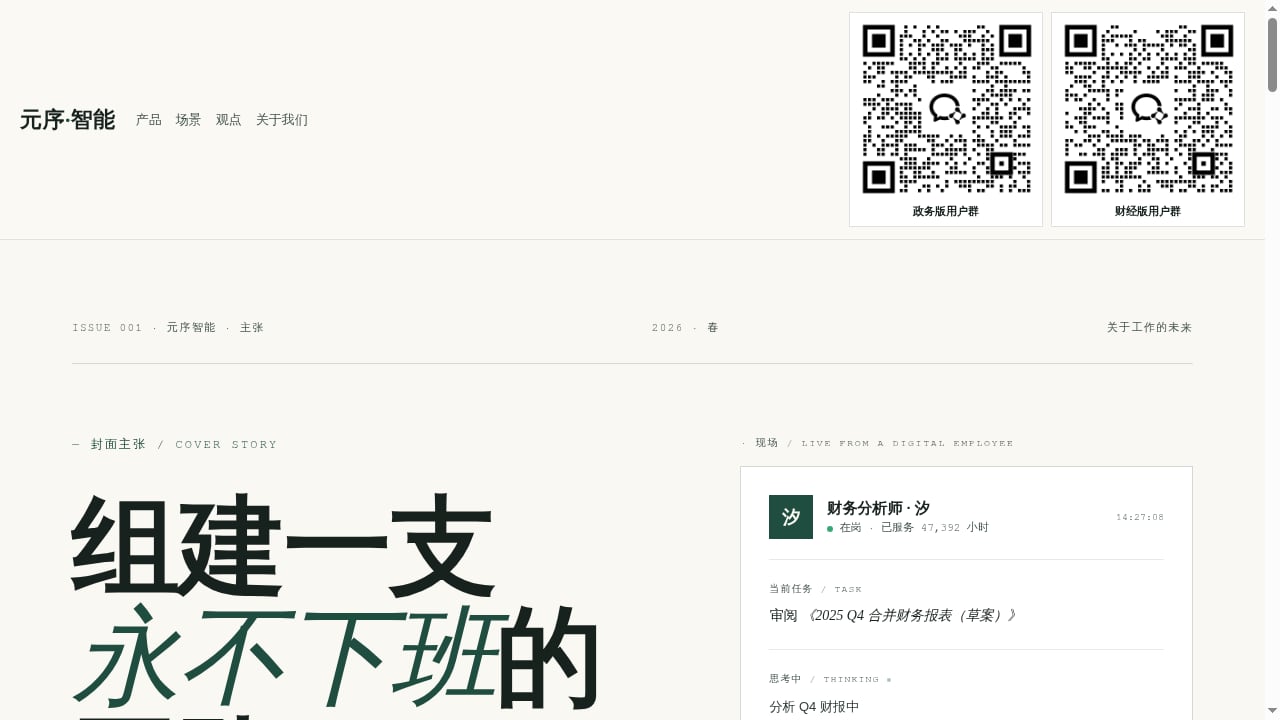
First viewport screenshot of www.yuanxuai.com.
A voice AI agent sits on the phone channel of a service desk. It answers calls, asks clarifying questions, identifies the caller and the issue, and either resolves simple requests or hands off to a human with a structured summary. Common patterns include after-hours coverage, overflow during peak hours, password and access resets, status checks on open tickets, and logging calls that technicians make from the field.
Vendors in this space describe similar capabilities. Thread Voice AI, for example, positions its agent around after-hours and overflow calls for managed service providers, with call logging and written summaries for technicians. Broader roundups such as Fin's review of AI voice agents for phone support show how crowded the category has become, with contact-center platforms, telephony vendors, and enterprise agent platforms all converging on the same channel.
The important distinction is scope. Most voice AI products are channel tools: they improve the phone experience but leave the underlying workflow untouched. A smaller group treats the voice channel as one interface to a digital employee that can also act in email, chat, ticketing systems, and internal tools.
Why the phone channel is only half the problem
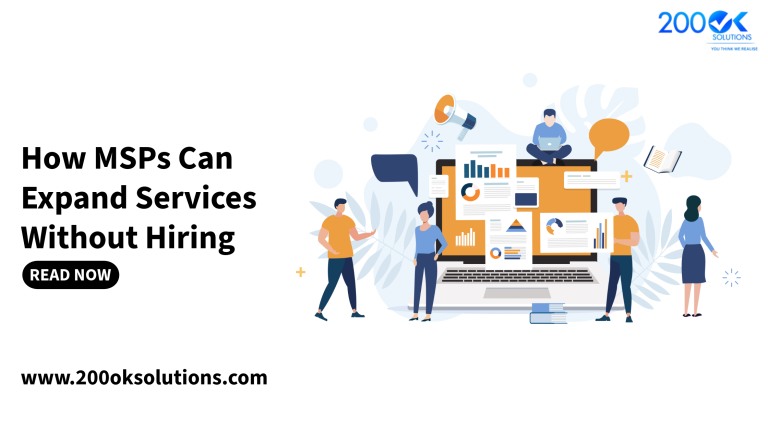
Voice AI for Service Desk: A Practical Guide - Why the phone channel is only half the problem.
Service desk leaders usually start with call volume because it is visible and painful. But the cost of a call is not only the minutes on the line. It is the ticket creation, the triage, the back-and-forth with the requester, the search for a fix, the update, and the closure note. If a voice agent answers the call and then hands off a messy summary, you have moved work rather than removed it.
A useful test is to trace one request from call to closure and ask where human time is actually spent. In many organizations, the answer is not the conversation. It is the coordination after the conversation: checking entitlement, finding the right runbook, updating the asset record, notifying the requester, and documenting the resolution.
That is why voice AI for service desk is best evaluated as part of a wider automation strategy, not as a standalone phone upgrade. The voice layer should feed a system that can think through the request, act on it across tools, and remember the outcome.
Where voice AI fits in a service desk workflow
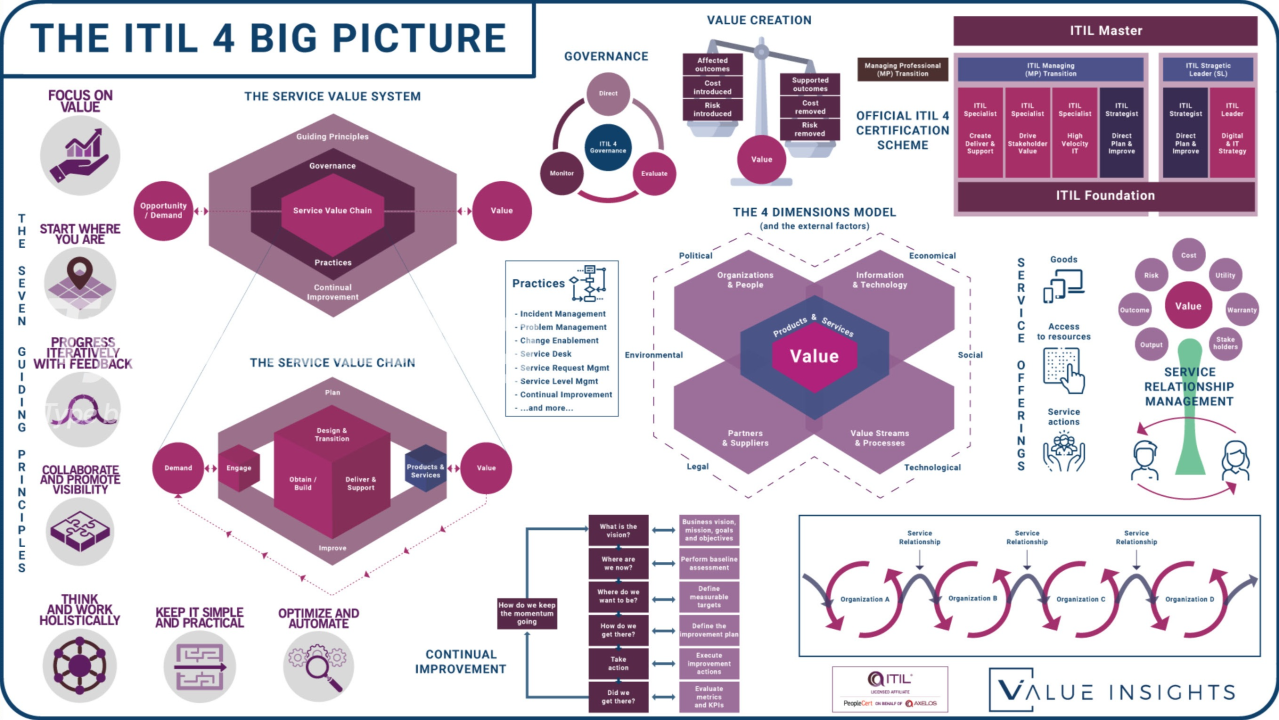
Voice AI for Service Desk: A Practical Guide - Where voice AI fits in a service desk workflow.
Intake and triage
Voice AI is strongest at structured intake. It can capture the caller's identity, the affected service, the urgency, and the error message, then classify the request against your categories. This reduces free-text tickets and gives downstream automation cleaner inputs.
Deflection for known issues
Password resets, VPN problems, software installation requests, and status checks are repeatable and well documented. A voice agent can walk a caller through a fix or trigger an automated workflow, provided the agent has permission to act and the outcome is verified.
After-hours and overflow
Coverage gaps are the most common entry point. An agent that answers at 2 a.m., logs the issue, and sets expectations can prevent escalation without pretending to resolve everything.
Technician-side logging
Field technicians often call in updates. A voice agent can capture those updates and write them back to the ticket, which improves data quality without adding administrative work.
Handoff with context
When the agent cannot resolve an issue, the handoff quality matters more than the deflection rate. A good handoff includes a transcript summary, the classification, what was already tried, and the caller's preferred contact method.
Where voice AI stops, and what has to take over
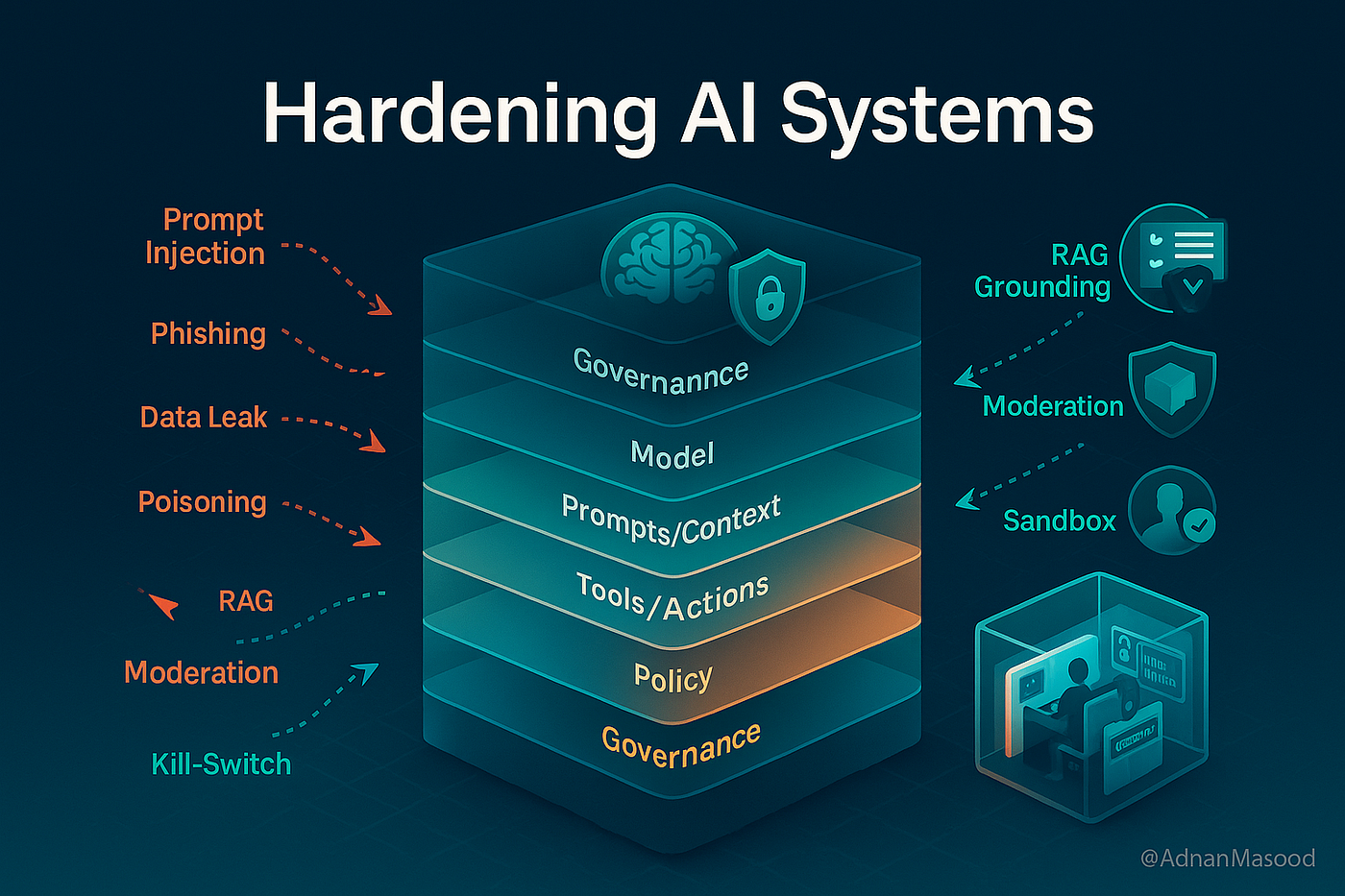
Voice AI for Service Desk: A Practical Guide - Where voice AI stops, and what has to take over.
Voice AI is a conversational interface. It is not, by itself, a system of record or a workflow engine. Once a request requires action across multiple systems, the limits appear quickly.
Consider a caller who cannot access a financial reporting tool. The voice agent can identify the user and the application. But resolution may require checking the user's role in the identity provider, confirming license assignment in a SaaS admin console, reviewing a recent change ticket, and updating the asset record. That is a multi-step task with dependencies, permissions, and an audit trail.
This is the gap that digital-employee platforms address. Yuanxu AI is a full-stack digital employee platform that creates role-based AI colleagues with defined responsibilities, boundaries, and decision logic. Rather than treating voice as a separate bot, a digital employee can receive the request from the voice channel, orchestrate the necessary tools, and record what happened. The platform reports orchestration across more than 200 internal and external tools, longitudinal memory from interactions and outputs, and full observability for compliance. Those capabilities matter for service desk work because the value is in closing the loop, not just answering the phone.
Voice agent vs. digital employee: a decision guide
| Requirement | Voice AI agent | Digital employee platform |
|---|---|---|
| Answer and classify calls | Strong | Strong, as one channel |
| Resolve known, single-step issues | Good | Good |
| Execute multi-system workflows | Limited | Designed for it |
| Maintain memory across interactions | Usually session-based | Longitudinal by design |
| Audit and observability | Varies by vendor | Core capability |
| Own a role with boundaries | Rarely | Yes |
Use the simpler tool when your problem is genuinely phone coverage and your downstream workflows are already automated. Consider a digital employee when the bottleneck is the work between the call and the resolution.
What to evaluate before you buy
Integration depth, not integration count
Ask which systems the agent can read from and write to, and whether actions are permissioned. A long integration list is less useful than deep, reliable connections to your ticketing, identity, and asset systems.
Handoff quality
Request a sample handoff. Does it include the transcript, the classification, the actions attempted, and the caller's context? Can a human pick up without re-asking questions?
Memory and continuity
If the same caller returns three days later, does the system remember the earlier request? Session-only memory creates repetitive experiences.
Observability and audit
For regulated environments, you need to see what the agent did, why it did it, and what data it touched. Ask for logs, decision traces, and retention controls.
Realistic deflection claims
Deflection rates depend heavily on your issue mix and knowledge quality. Pilot with a defined set of intents and measure resolution, not just containment.
Change management
Technicians and agents need to trust the handoffs. Start with low-risk intents, publish clear escalation rules, and review transcripts in the first weeks.
Implementation path that reduces risk
- Baseline the current state. Measure call volume by intent, average handling time, and the percentage of calls that create tickets requiring multi-step work.
- Pick narrow, high-volume intents. Start with password resets, status checks, and after-hours logging.
- Define the handoff contract. Specify exactly what the voice agent must pass to a human or to an automation layer.
- Connect the action layer. Ensure the receiving system can act across the tools required for those intents, with permissions and audit logging.
- Pilot and review. Listen to calls, inspect handoffs, and track resolution and reopen rates.
- Expand by role, not by channel. Once voice intake is stable, extend the digital employee's responsibilities to email, chat, and proactive monitoring.
For a broader view of how voice AI is being applied inside IT service management, this recorded panel on voice AI in a ServiceNow environment is a useful reference for implementation questions and practitioner concerns.
FAQ
Can voice AI fully replace service desk agents?
Not for complex or ambiguous issues. Voice AI is effective for structured intake, known-issue resolution, and after-hours coverage. Human agents remain important for judgment, exceptions, and relationship-heavy requests.
How do we measure success beyond call deflection?
Track resolution rate, reopen rate, handoff quality, time to resolution, and ticket data completeness. Deflection alone can hide work that was simply pushed downstream.
Does voice AI work with our existing ticketing system?
Most vendors support common ticketing platforms, but depth varies. Confirm whether the agent can read context, write updates, and trigger workflows, not just create a ticket.
What is the difference between a voice agent and a digital employee?
A voice agent is a conversational interface on the phone channel. A digital employee is a role-based system that can receive requests from multiple channels, act across tools, remember outcomes, and operate within defined boundaries.
What should we pilot first?
Start with after-hours coverage or a single high-volume intent such as password reset. These cases have clear success criteria and low risk, and they reveal handoff and integration issues early.
Conclusion
Voice AI for service desk is a real improvement for the phone channel, but it is not the whole answer. The organizations that get the most value treat voice as one interface to a broader automation layer that can act, remember, and prove what it did. Evaluate voice quality, then evaluate what happens after the call. That is where service desk economics are actually decided.